
Understanding the psychological triggers that drive casino behavior
Understanding the psychological triggers that drive casino behavior
The Role of Emotion in Gambling
Emotion plays a central role in gambling behavior, influencing decisions and actions taken in a casino setting. Many players experience intense feelings of excitement and anticipation when placing bets, which can create a euphoric state often referred to as “gambling high.” This heightened emotional state can lead to impulsive behavior, encouraging players to stake more than they initially planned. The rush of dopamine released during wins also reinforces the connection between gambling and pleasure, making it difficult for players to walk away. Within this context, neosurf online casino australia stands out as a popular choice for safe and fast transactions.
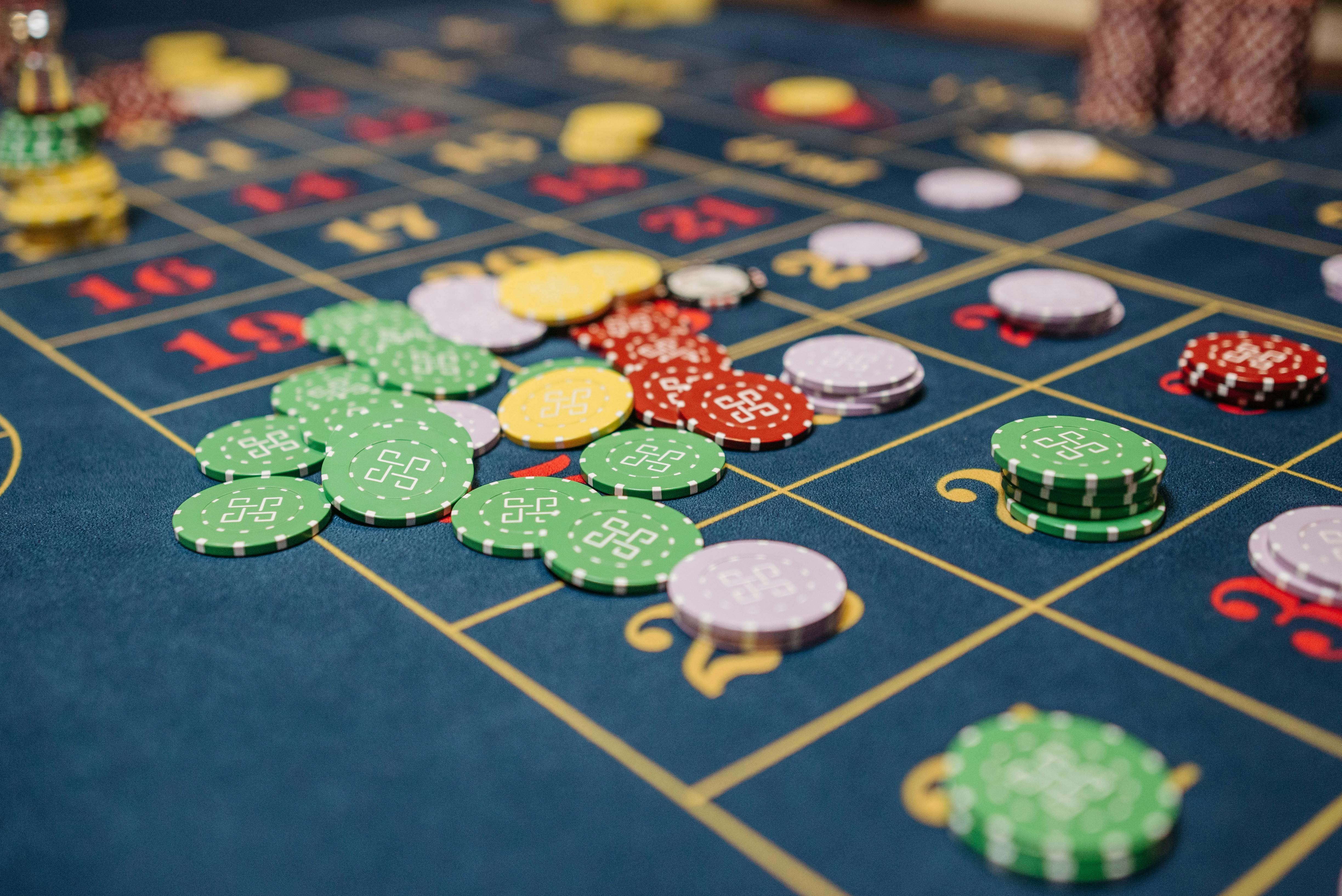
Moreover, negative emotions such as boredom, stress, or anxiety can drive individuals to gamble as a form of escapism. When people feel overwhelmed by life’s challenges, the casino environment can offer a temporary relief and distraction. Unfortunately, while this may provide short-term satisfaction, it can lead to a cycle of dependency, where individuals continuously return to gambling as a coping mechanism. Understanding this emotional connection is critical for recognizing the potential for problematic gambling behavior.
Ultimately, the emotional triggers tied to gambling not only influence immediate decision-making but also affect long-term patterns of behavior. Players may become accustomed to seeking out the thrill of the gamble, leading to a repetitive cycle that can be challenging to break. Awareness of these emotional triggers is crucial for players who want to engage in responsible gambling practices, allowing them to recognize when their emotions might be influencing their actions in unhealthy ways.
The Influence of Cognitive Biases
Cognitive biases significantly impact gambling behavior, often distorting players’ perceptions and judgments. One common bias is the “illusion of control,” where individuals believe they can influence the outcome of random events. For example, a player may feel that using certain strategies or rituals will enhance their chances of winning at a slot machine or card game. This bias can lead players to place more bets than they would otherwise, as they convince themselves of their superiority in understanding game dynamics.
The “near-miss” effect is another cognitive bias that reinforces gambling behavior. When players experience a close call—such as missing a jackpot by a single symbol—this can trigger feelings of hope and motivation to continue playing. Such near-misses provide a false sense of winning potential, encouraging gamblers to chase losses. This mindset can lead to significant financial consequences, as players become trapped in the pursuit of what they believe is an imminent victory.
Recognizing these cognitive biases is essential for responsible gambling. Players who understand how biases like the illusion of control and near-miss effects shape their decisions can take proactive steps to mitigate their influence. This self-awareness can empower gamblers to make more rational decisions, ultimately fostering a healthier relationship with gambling and reducing the risk of developing problematic behaviors.
The Impact of Environment and Social Factors
The casino environment is deliberately designed to stimulate excitement and encourage spending. Bright lights, vibrant colors, and upbeat music create an immersive atmosphere that can distract players from the passage of time and money spent. This sensory overload can significantly impact decision-making, causing players to overlook their original goals and budgets. Understanding how the casino’s ambiance affects behavior is key to developing strategies for responsible gambling.
Additionally, social factors play a crucial role in shaping gambling behavior. The presence of peers can enhance the thrill of gambling, as players often feed off each other’s excitement. Group dynamics can create a sense of camaraderie that encourages individuals to gamble more. For instance, a person may feel pressured to keep betting if friends are winning, leading them to surpass their limits. This social influence can contribute to increased spending and risky behaviors.
Awareness of the environmental and social triggers can empower players to make informed decisions. By recognizing how surroundings and peer pressure can affect their gambling habits, individuals can develop techniques to manage their environment, such as setting time limits or choosing quieter spaces. This proactive approach helps mitigate the potential for harmful gambling behaviors while enhancing the overall experience.
The Importance of Personal Responsibility
Personal responsibility is a cornerstone of healthy gambling habits. Players must recognize their agency in making choices about when and how to gamble. This involves setting clear limits on time and spending before entering a casino or engaging in online gambling. By establishing boundaries and adhering to them, players can reduce the risk of impulsive behavior and financial loss. Understanding the importance of personal responsibility cultivates a mindset that prioritizes enjoyment without the pitfalls of excessive gambling.
Moreover, self-reflection is vital in managing gambling behaviors. Players should regularly assess their motivations for gambling, evaluating whether they seek entertainment or are using it as an escape from life’s challenges. This introspective approach can help identify patterns of behavior that may lead to problematic gambling. By being honest with themselves about their gambling habits, individuals can make more informed choices about their gaming activities.
Engaging in responsible gambling practices not only protects players from negative outcomes but also fosters a healthier relationship with gambling overall. Personal responsibility, combined with an understanding of psychological triggers, equips individuals with the tools necessary to enjoy gambling without falling into harmful behaviors. Promoting this mindset within the gambling community is crucial for creating a culture of safety and well-being.

Exploring Responsible Gambling with Neosurf Casino Australia
At Neosurf Casino Australia, players are encouraged to engage in responsible gambling practices. The platform not only highlights exciting gaming options but also provides valuable resources on how to gamble safely. By promoting a culture of responsibility, Neosurf aims to help players make informed decisions, set limits, and recognize when to walk away. This approach ensures a more enjoyable and safe gaming experience for everyone involved.
The emphasis on responsible gambling extends beyond just resources; Neosurf Casino Australia offers various tools to help players maintain control over their gambling activities. From budgeting guides to self-assessment quizzes, these resources support players in understanding their behaviors and motivations. The goal is to create a balanced gaming experience where enjoyment is prioritized, and potential risks are acknowledged and managed.
Ultimately, Neosurf Casino Australia stands as a beacon for responsible gaming, inviting players to explore a wide range of games while reinforcing the importance of understanding psychological triggers that drive their gambling behavior. By fostering a safe, supportive environment, Neosurf helps players navigate their gaming journey with confidence and responsibility, ensuring that the thrill of the game does not overshadow the importance of personal well-being.
0 Comments on "Understanding the psychological triggers that drive casino behavior"