
Understanding the psychological triggers that drive gambling behavior in casinos
Understanding the psychological triggers that drive gambling behavior in casinos
The Allure of Risk and Reward
One of the fundamental psychological triggers that drive gambling behavior in casinos is the allure of risk and reward. The thrill of potentially winning a significant amount of money against the backdrop of potential loss creates a unique tension that attracts many individuals. This excitement can lead to heightened arousal levels, making the experience feel exhilarating. The anticipation of winning can create a dopamine rush, which further reinforces the desire to gamble. For those seeking a new gambling experience, Tower Rush India offers exciting new strategies that can improve winning chances.

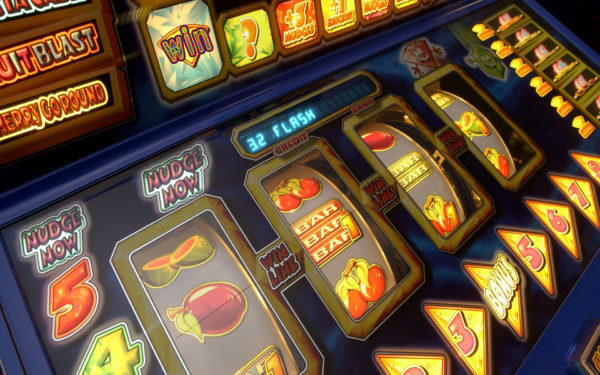
This risk-reward dynamic is often emphasized through the design of casino games. For instance, slot machines are engineered to provide frequent small wins, keeping players engaged and encouraging them to continue playing. The colorful visuals and engaging sounds create an immersive atmosphere that heightens excitement, often leading players to chase after elusive jackpots. As players experience intermittent rewards, they become conditioned to associate the casino environment with potential success, thereby reinforcing their gambling behavior.
Moreover, cognitive biases play a significant role in shaping players’ perceptions of risk. For example, gamblers often fall prey to the “gambler’s fallacy,” believing that past outcomes influence future results. This skewed thinking leads many to bet more money, convinced that a win is due. Casinos exploit this psychology by maintaining an environment where the possibility of winning feels more tangible, making it hard for players to resist the urge to gamble.
The Role of Social Influences
Social influences are another significant factor affecting gambling behavior in casinos. Many individuals are drawn to gambling by friends or family members who share similar interests. This social element fosters a sense of belonging, making the gambling experience feel communal and supportive. When individuals see others enjoying themselves and winning, they often feel encouraged to join in, believing that they might experience similar success.
The casino environment amplifies social interactions, with group settings and communal games fostering camaraderie. Table games, in particular, highlight this aspect as players engage not only with the game but with one another. The shared excitement and anxiety of betting create a heightened sense of involvement, often leading players to make riskier decisions than they would in isolation. Additionally, the ambiance of casinos, filled with laughter and celebrations, reinforces the notion that gambling is a socially acceptable activity.
Furthermore, social media platforms have played a role in shaping contemporary gambling behavior. Sharing wins and experiences online creates a cycle of validation, where individuals feel compelled to gamble not just for the thrill but also to gain social approval. This dynamic can lead to excessive gambling, as individuals seek to match or exceed the experiences shared by their peers, further driving their desire to engage in casino activities.
The Impact of Environment and Design
The environment and design of casinos are carefully crafted to influence gambling behavior significantly. From the moment individuals step inside a casino, they are enveloped in a sensory experience designed to stimulate and entice. The layout is typically maze-like, encouraging exploration and prolonged stays. Bright lights and stimulating sounds are employed to create a sense of excitement, while the absence of clocks and windows disorients players regarding time, allowing them to lose track of hours spent gambling.
Casinos utilize psychological strategies to enhance the experience. For instance, they often place high-stakes tables near entrances or popular areas, drawing attention and fostering a sense of aspiration. The strategic placement of machines and tables encourages players to engage with various games, increasing the likelihood of continued gambling. Additionally, free drinks and complimentary services create a relaxed atmosphere, leading to less inhibition and more impulsive betting.
The design elements extend to marketing tactics as well. Promotions and loyalty programs reinforce the idea that gambling can lead to financial benefits, appealing to players’ desires for both social recognition and monetary gain. By framing gambling as not just a pastime but a potential source of wealth, casinos effectively amplify the psychological triggers driving individuals to partake in gambling behavior, ultimately increasing their revenue.
The Psychological Effects of Winning and Losing
The psychological effects of winning and losing in gambling cannot be overstated. Winning triggers feelings of elation and reinforces the behavior, as players associate gambling with positive outcomes. This phenomenon creates a feedback loop, where individuals are motivated to gamble more, hoping to replicate their winning experience. On the flip side, the emotional fallout from losing can lead to despair and frustration, prompting individuals to chase their losses in an attempt to recover what they’ve lost.
The concept of “loss aversion” plays a pivotal role in this context. Research suggests that the pain of losing is psychologically more impactful than the pleasure of winning. As such, gamblers often find themselves compelled to continue betting, believing that a win is just around the corner. This irrational mindset can lead to dangerous gambling habits, where individuals find themselves caught in a cycle of increased betting as they seek redemption.
Additionally, the emotional highs and lows experienced during gambling can lead to addictive behaviors. The fluctuating nature of wins and losses keeps players engaged, often leading them to ignore negative consequences. Over time, this can escalate into problematic gambling, where individuals prioritize gambling over their responsibilities, relationships, and overall well-being. Understanding these psychological effects is crucial for recognizing when gambling behavior becomes unhealthy.
Responsible Gambling and Support Resources
In light of the psychological triggers that drive gambling behavior, it’s essential to promote responsible gambling practices. Casinos often provide resources aimed at educating players about the risks involved with gambling. These resources highlight the importance of setting limits, understanding odds, and recognizing the signs of problem gambling. By equipping players with knowledge, the hope is that they can enjoy gambling as a form of entertainment without falling into harmful patterns.
Various organizations offer support for those struggling with gambling addiction. These include counseling services, support groups, and hotlines dedicated to helping individuals regain control over their gambling habits. Many casinos collaborate with these organizations, reinforcing their commitment to responsible gaming by providing players with access to help when needed. Encouraging open conversations about gambling addiction can help destigmatize the issue and motivate individuals to seek assistance.
Ultimately, fostering a culture of responsible gambling is essential. By understanding the psychological triggers that drive gambling behavior, both players and casinos can work together to create a safer gambling environment. This collaboration not only benefits players but also enhances the overall gaming experience by promoting healthier attitudes towards gambling and acknowledging its potential risks.
0 Comments on "Understanding the psychological triggers that drive gambling behavior in casinos"